
NEOCLASSICAL MARBLE FIGURE OF APHRODITE
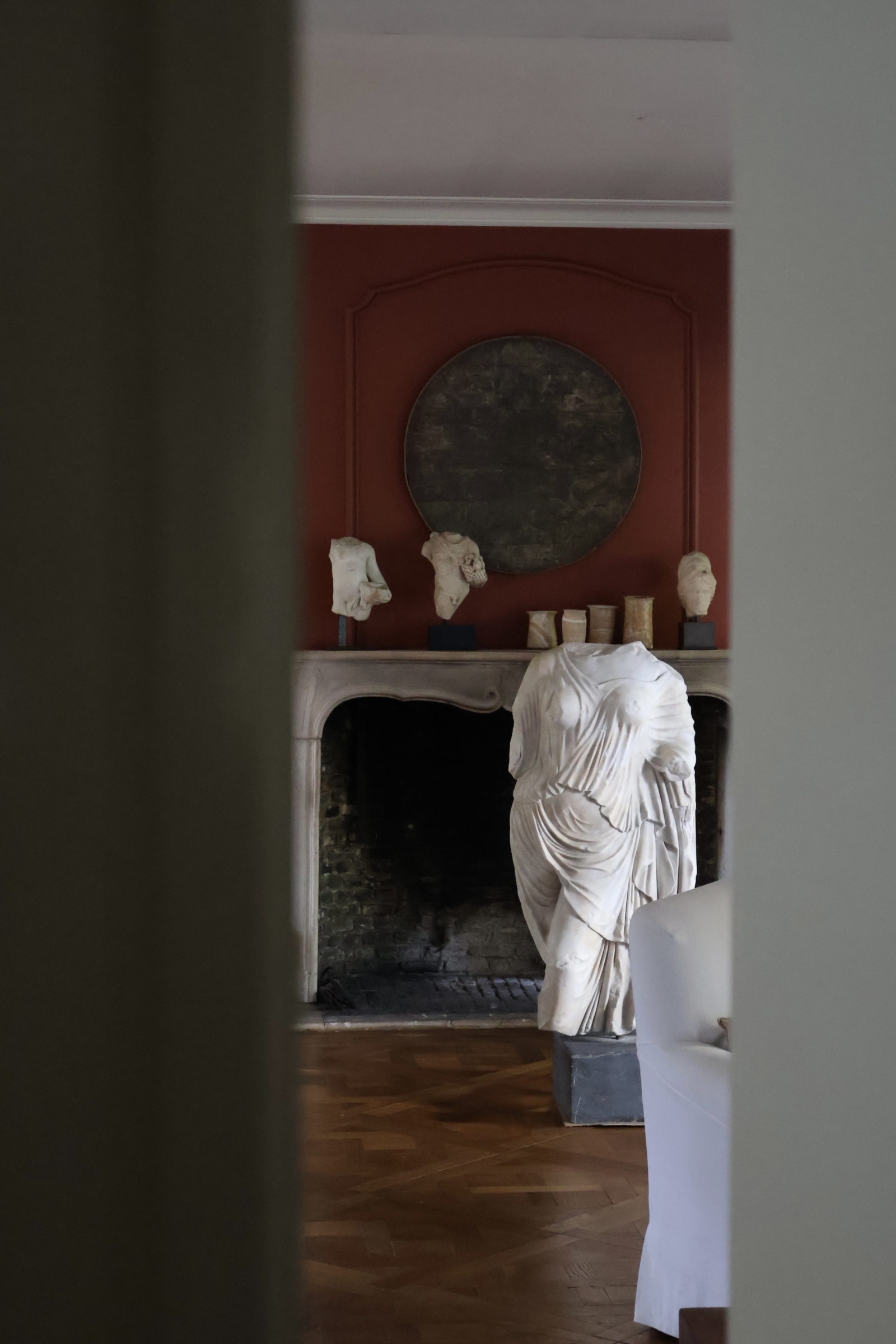
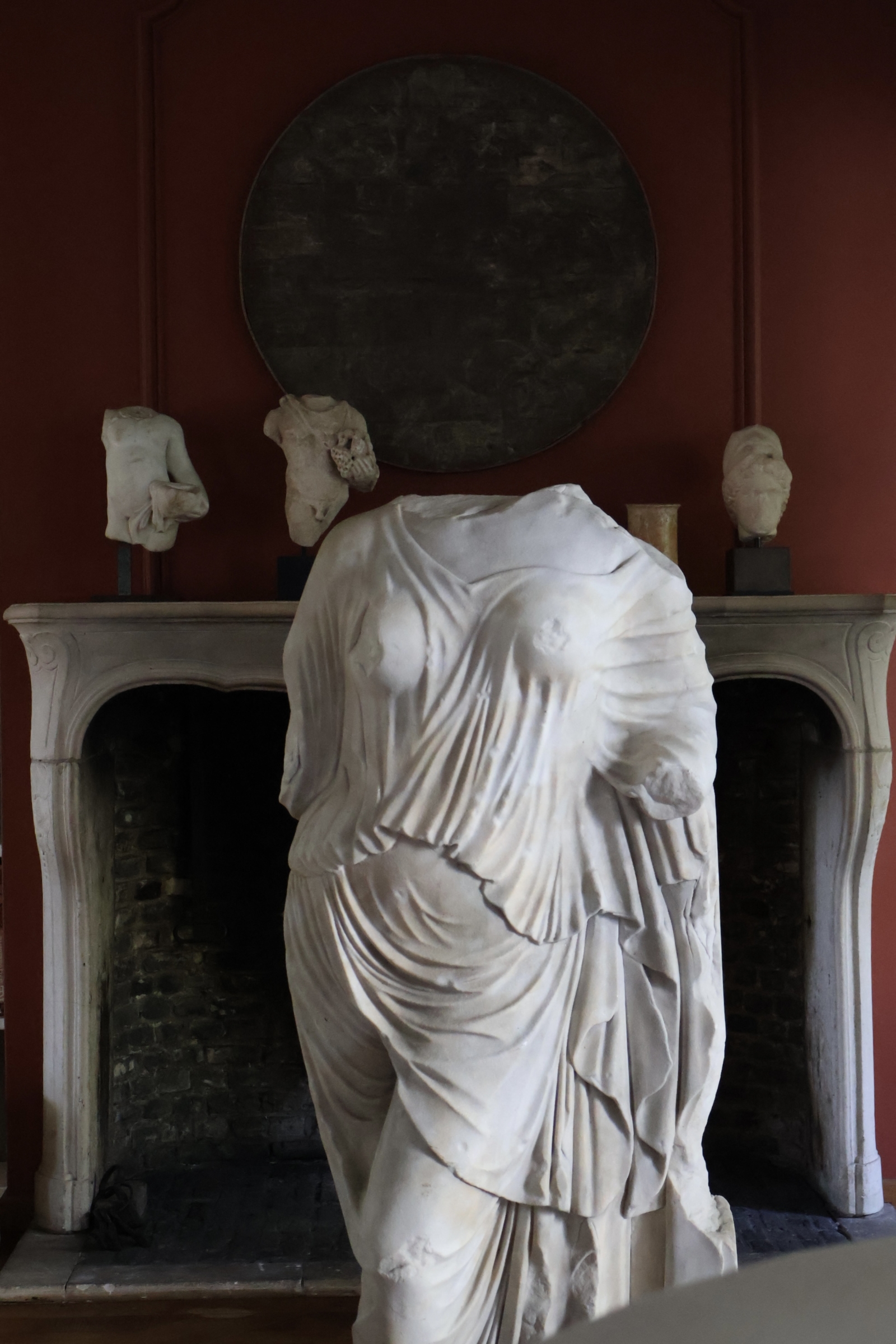
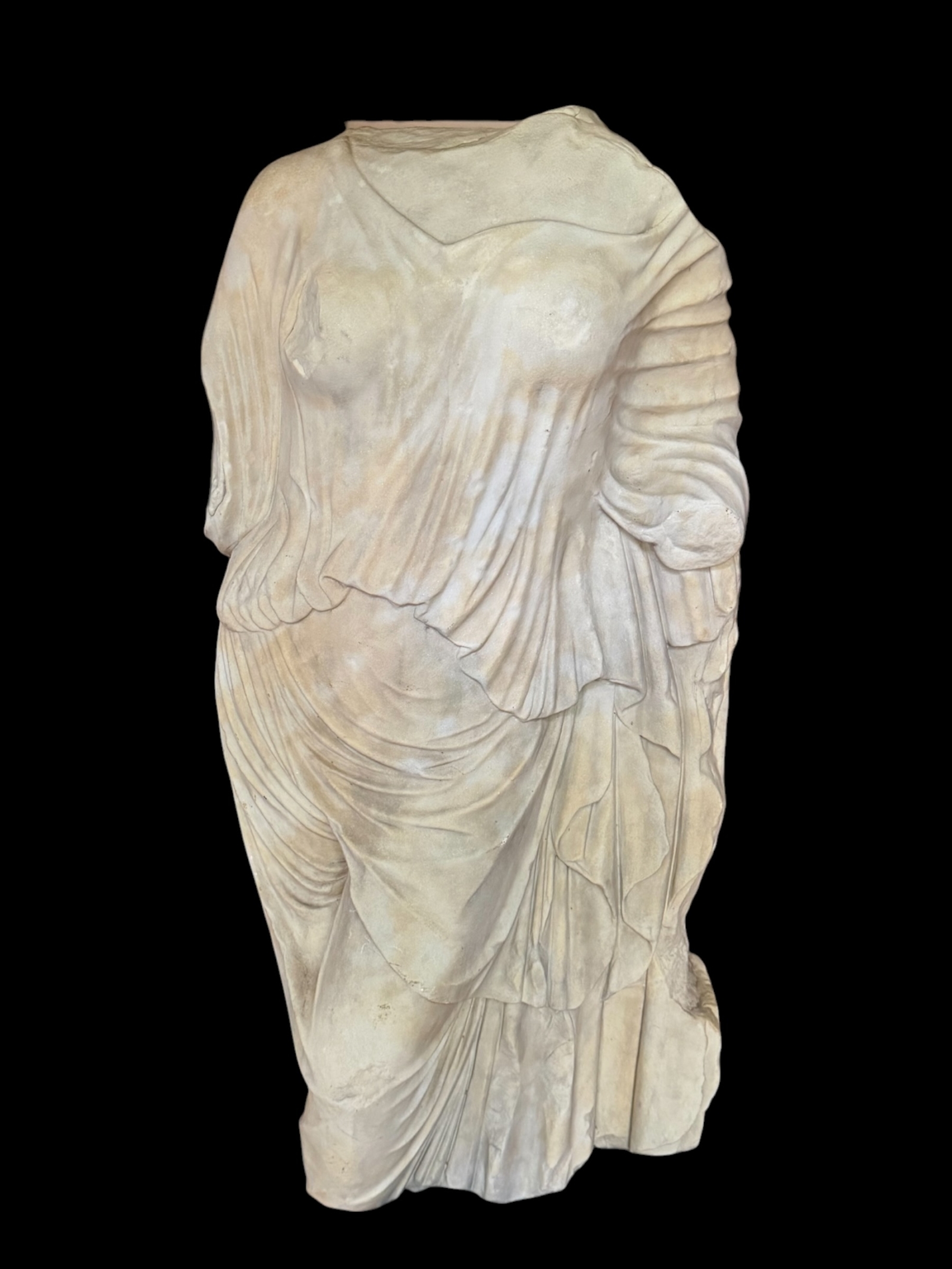
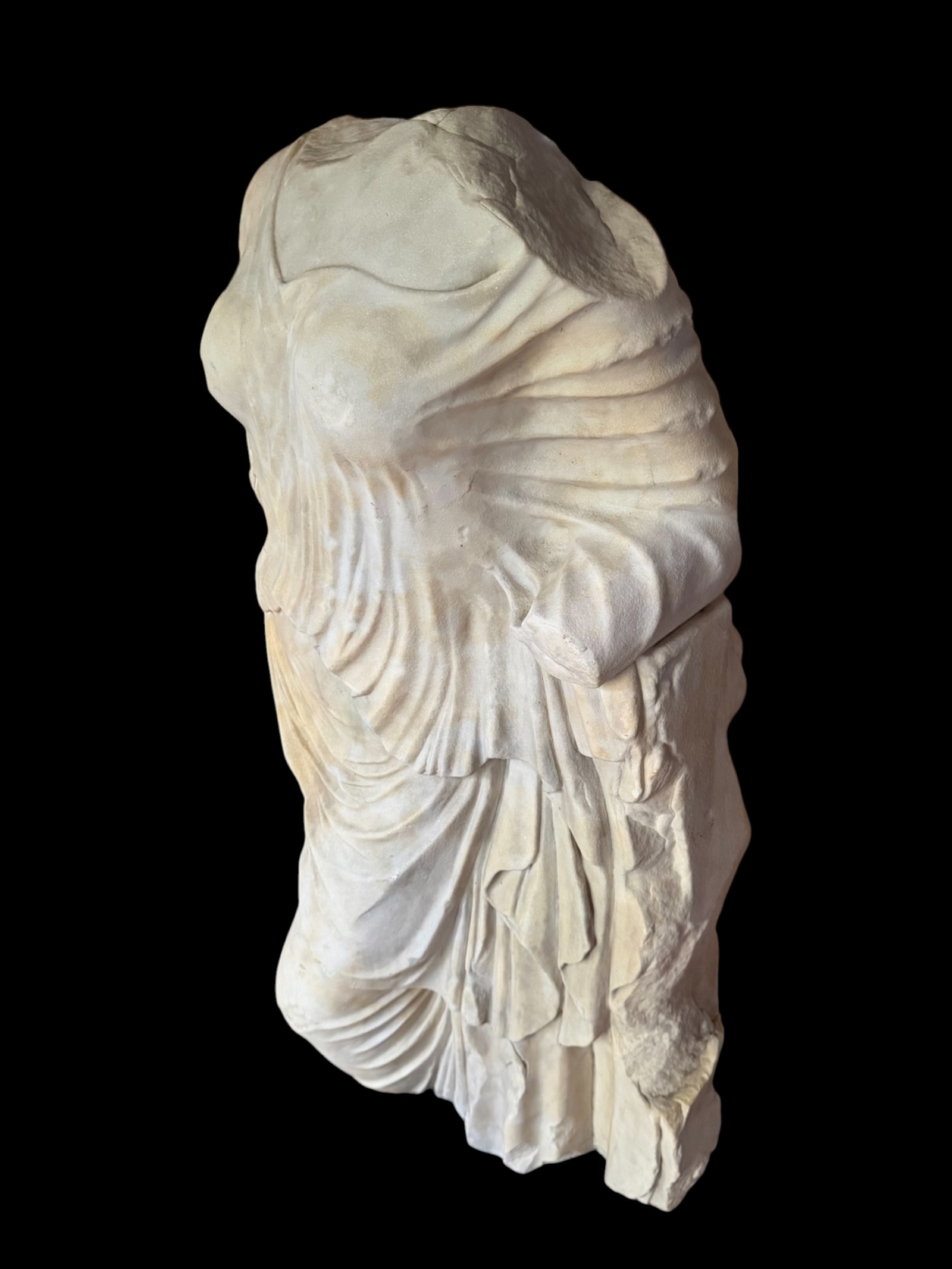
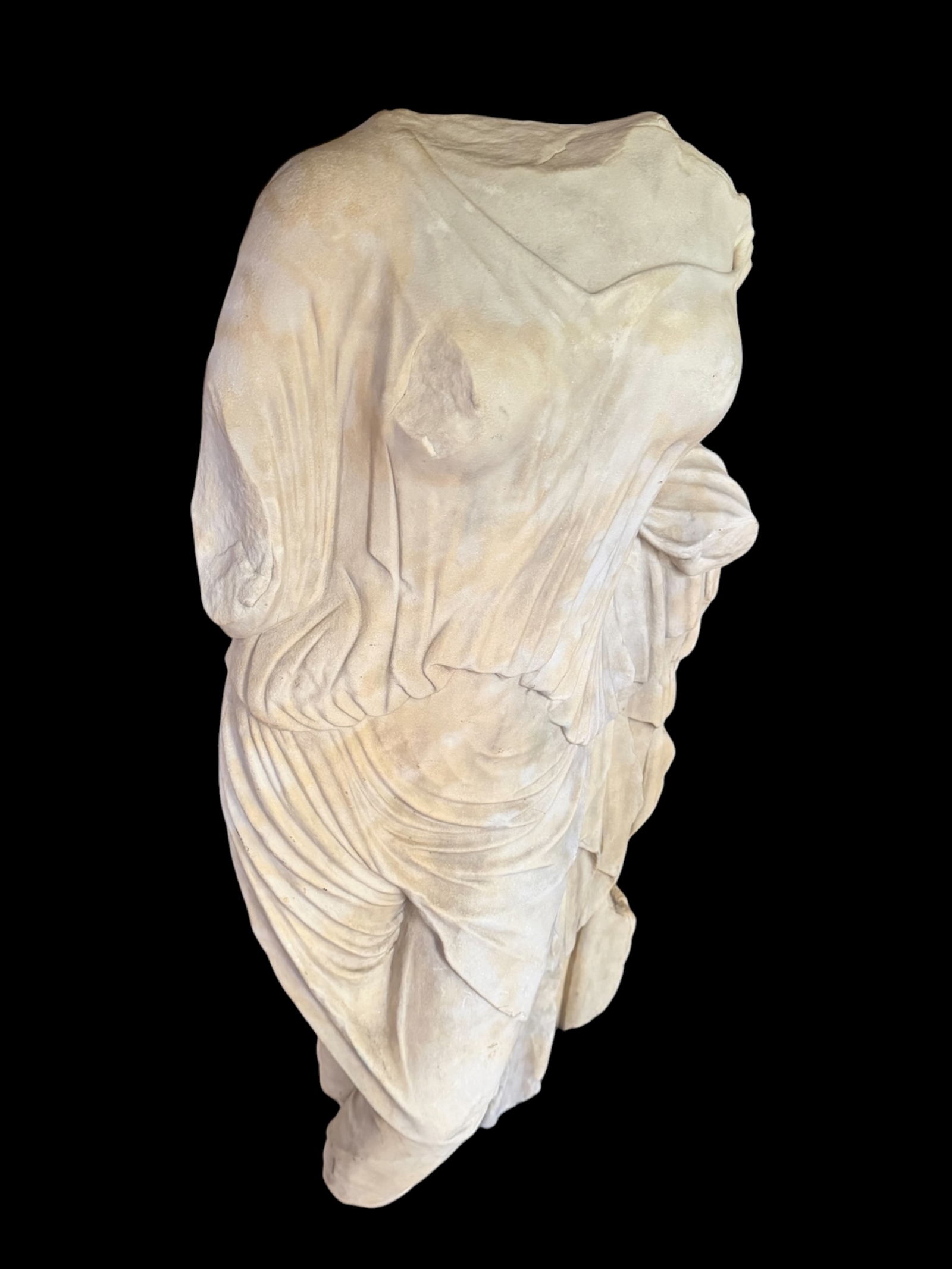
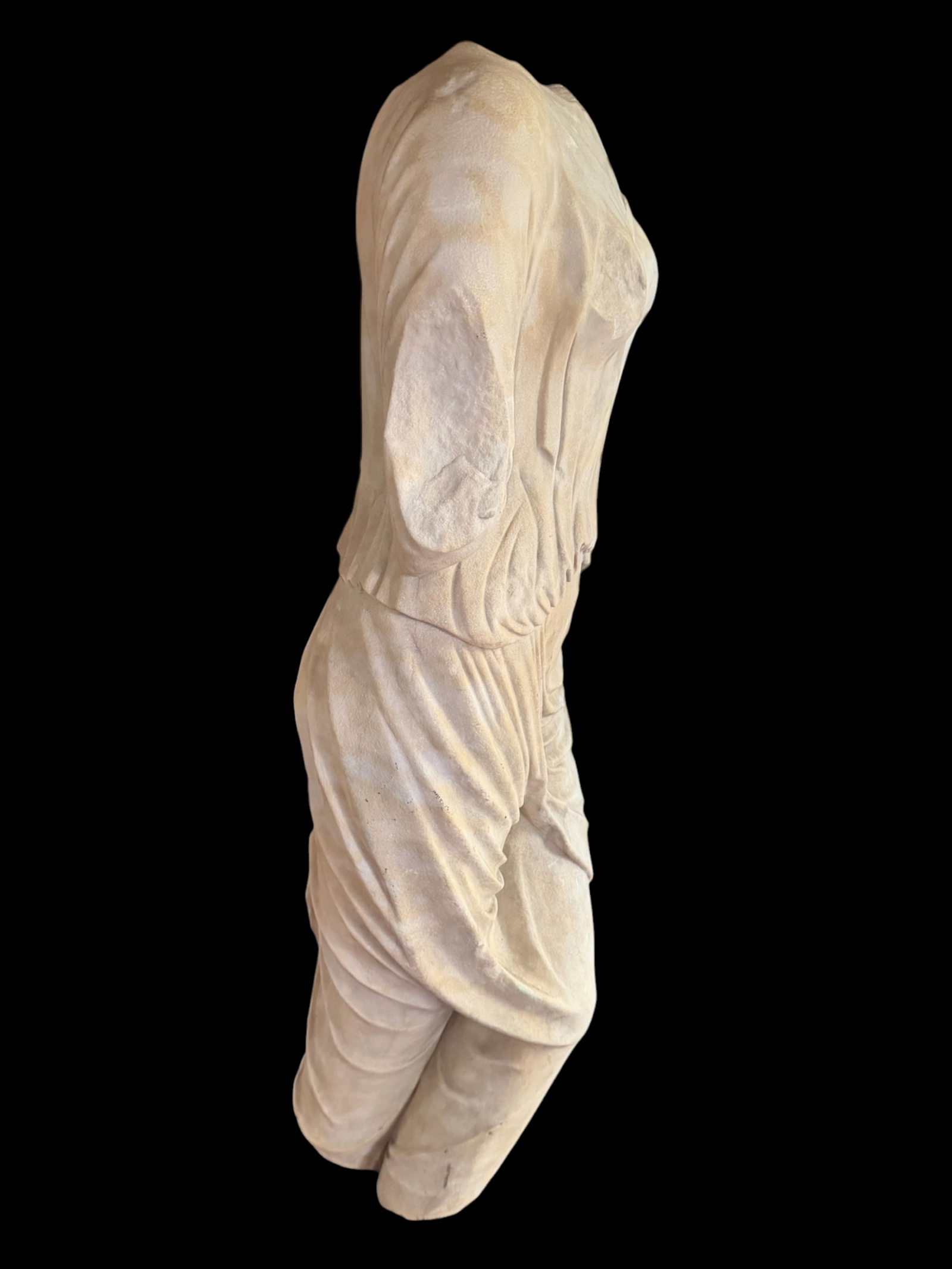
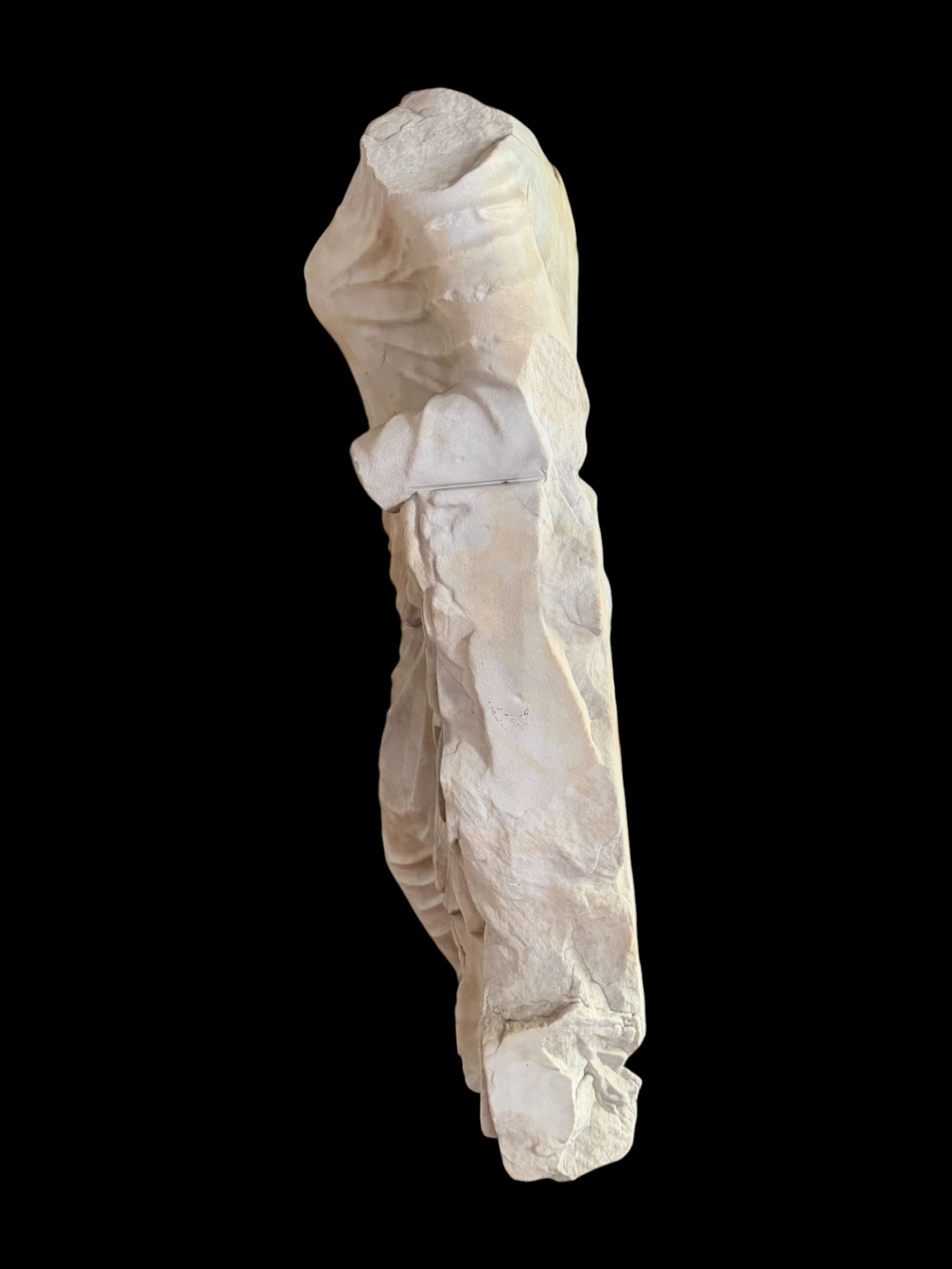
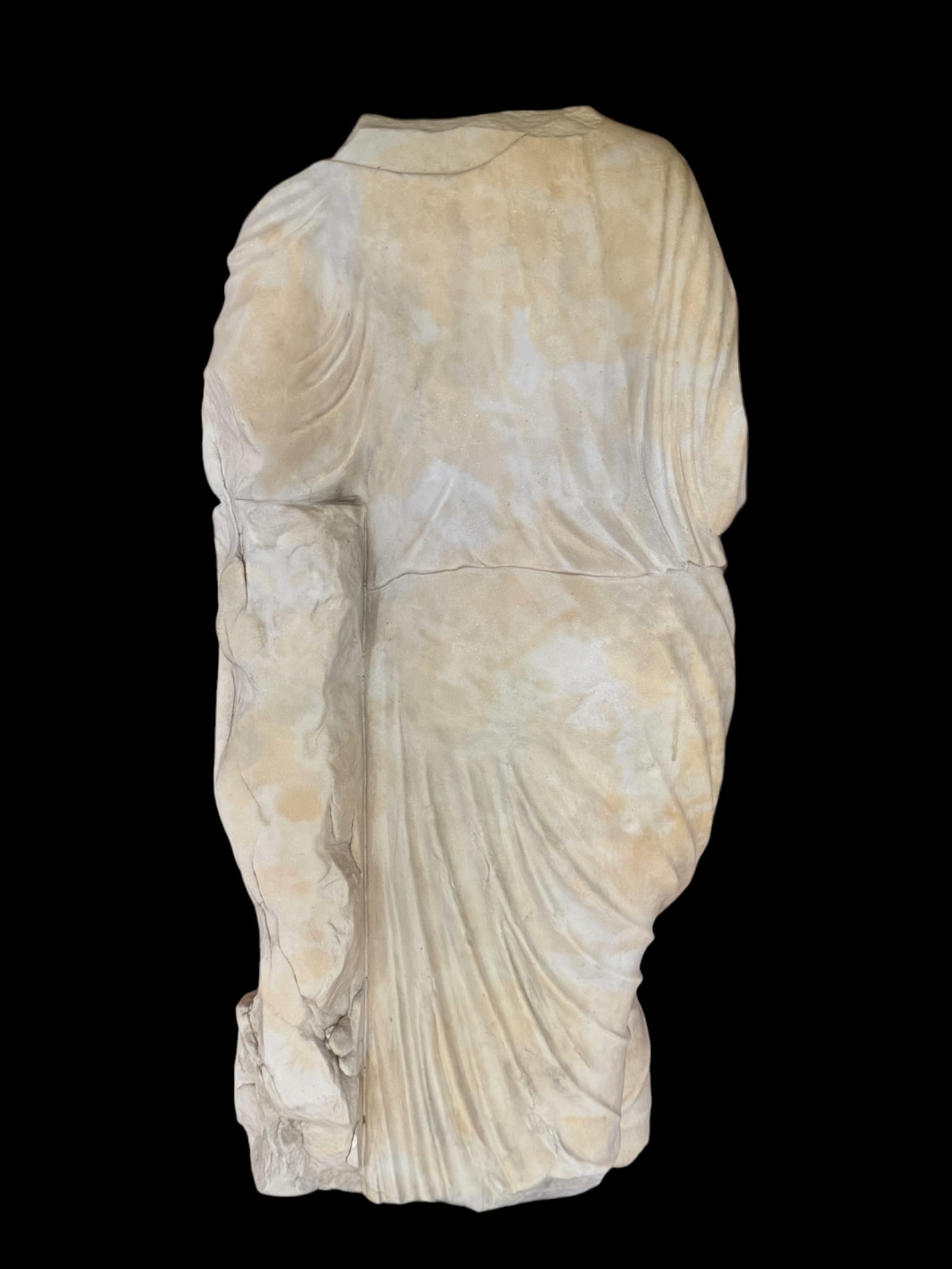


NEOCLASSICAL MARBLE FIGURE OF APHRODITE
Circa 1800 - early 19th century
Material
Marble
Dimensions
Height 135 cm including base
Provenance
– Acquired in 2024 from the collection of Dr. H. Lanz, Munich. Acquired in the 1980s from a French private collection in Antibes.
Description
This finely executed Neoclassical marble figure of Aphrodite, slightly less than life-sized, is based on one of the most celebrated types of ancient Greek sculpture: the so-called Leaning Aphrodite, traditionally associated with the renowned Athenian sculptor Alkamenes and his late 5th-century B.C. statue created for the Sanctuary of Aphrodite in the gardens near the Ilissos River in Athens.
The original sculpture by Alkamenes is known only through ancient literary sources. A fragmentary upper body discovered at the Sanctuary of Aphrodite at Daphni, north of Athens, is regarded as an early variation of the type and provides an important indication of the prototype from which numerous ancient and later interpretations developed.
Roman copies offer a more complete understanding of the composition. Among these are examples preserved in the Heraklion Archaeological Museum and, most notably, a closely related and particularly refined Roman version in the Louvre. The present sculpture closely follows this celebrated tradition. Characteristic features include the uncovered head, the elevated support beneath the slightly extended left arm, the exposed left shoulder, and the bent right arm. The left leg advances diagonally across the supporting right leg, creating the graceful, subtly contrapposto stance so characteristic of the type.
A richly folded himation is wrapped around the upper body and secured at the waist, its carefully articulated drapery contrasting with the exposed shoulder and elegant contours of the figure. The treatment of the pose and drapery is particularly close to the Roman copy dating to the second quarter of the 1st century A.D. now preserved in the Louvre.
The feet are broken off just above the ankles; the left hand and forearm, the right forearm, and the head are missing. The surface displays various moderate chips. The sculpture was probably deliberately conceived or subsequently preserved as a torso. Its surface has been thoroughly cleaned and the figure has recently been mounted on a custom black stone base with a robust steel pin, providing a secure and visually restrained presentation.
Despite its fragmentary state, the sculpture possesses considerable artistic presence. The quality of the carving, the sophisticated treatment of the drapery, and the elegance of the pose reflect the enduring appeal of one of Classical Greece’s most influential sculptural types.
An exceptionally accomplished Neoclassical interpretation of an important High Classical prototype, this Aphrodite belongs to a long tradition of admiration and emulation that stretches from ancient Roman sculpture through the Neoclassical revival and into the history of European collecting.